April 3, 2026
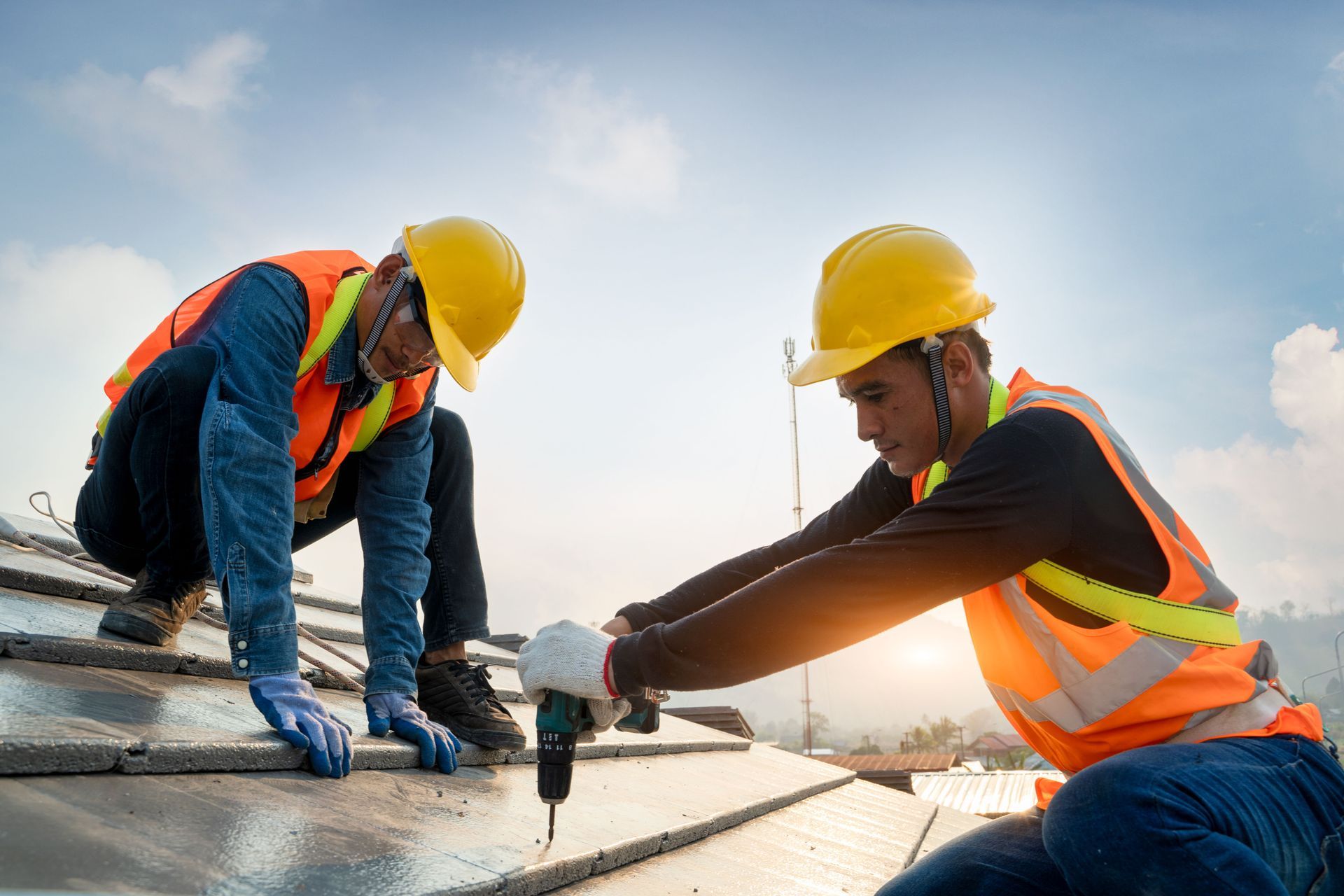
The roofing industry in the United States is undergoing significant transformations, driven by a confluence of architectural, environmental, and economic factors. Increasing awareness of sustainability, technological advancements, and the shifting demands of consumers are molding the landscape of roofing. Understanding these trends is vital for stakeholders, including homeowners, builders, and policymakers, as they influence decisions that can impact property values and environmental footprints, particularly for commercial roofers managing large-scale properties. With climate change concerns becoming more pressing, roofing choices now must balance functionality with the ability to reduce a building's ecological impact. This article delves into these changes, examining how various factors converge to direct the U.S. roofing market's current and future trajectory.
The Rise of Sustainable Roofing Materials
Sustainable roofing materials have risen to prominence as homeowners and developers seek eco-friendly solutions that mitigate environmental degradation. Eco-friendly materials, such as metal roofing, which currently covers 22% of new U.S. commercial roofs according to Gitnux, are increasingly favored for their durability and recyclability. These materials minimize waste and promote energy efficiency, addressing both durability and environmental impact concerns. Metal roofing, in particular, has gained significant traction due to its reflective properties, which can reduce cooling costs in urban areas, making it a popular choice among commercial roofers.
Energy efficiency in roofing is not limited to materials alone but extends to innovations that enhance a building's overall performance. Cool roofs featuring reflective coatings are designed to reduce heat absorption, which lowers cooling costs and diminishes the urban heat island effect. Commercial roofers often recommend these systems for large buildings where energy savings can be significant. With advancements in technology, solar-integrated roofs offer dual functionality, generating power while protecting the structure beneath. Utilizing recycled and repurposed products not only supports sustainability efforts but also stimulates market growth in clean energy and resource conservation sectors.
Technological Advancements in Roofing
Technology is revolutionizing the roofing industry, providing innovative solutions that enhance functionality, longevity, and maintenance. Smart roof systems, capable of monitoring and optimizing environmental control, offer personalized data output for managing home energy consumption effectively. These systems interact with the building's HVAC systems to adjust insulation properties in real-time, optimizing energy usage based on climatic conditions and occupancy. Beyond energy management, smart roofs contribute to structural health monitoring, predicting and diagnosing potential issues before they cause significant damage, giving commercial roofers a more proactive approach to maintenance.
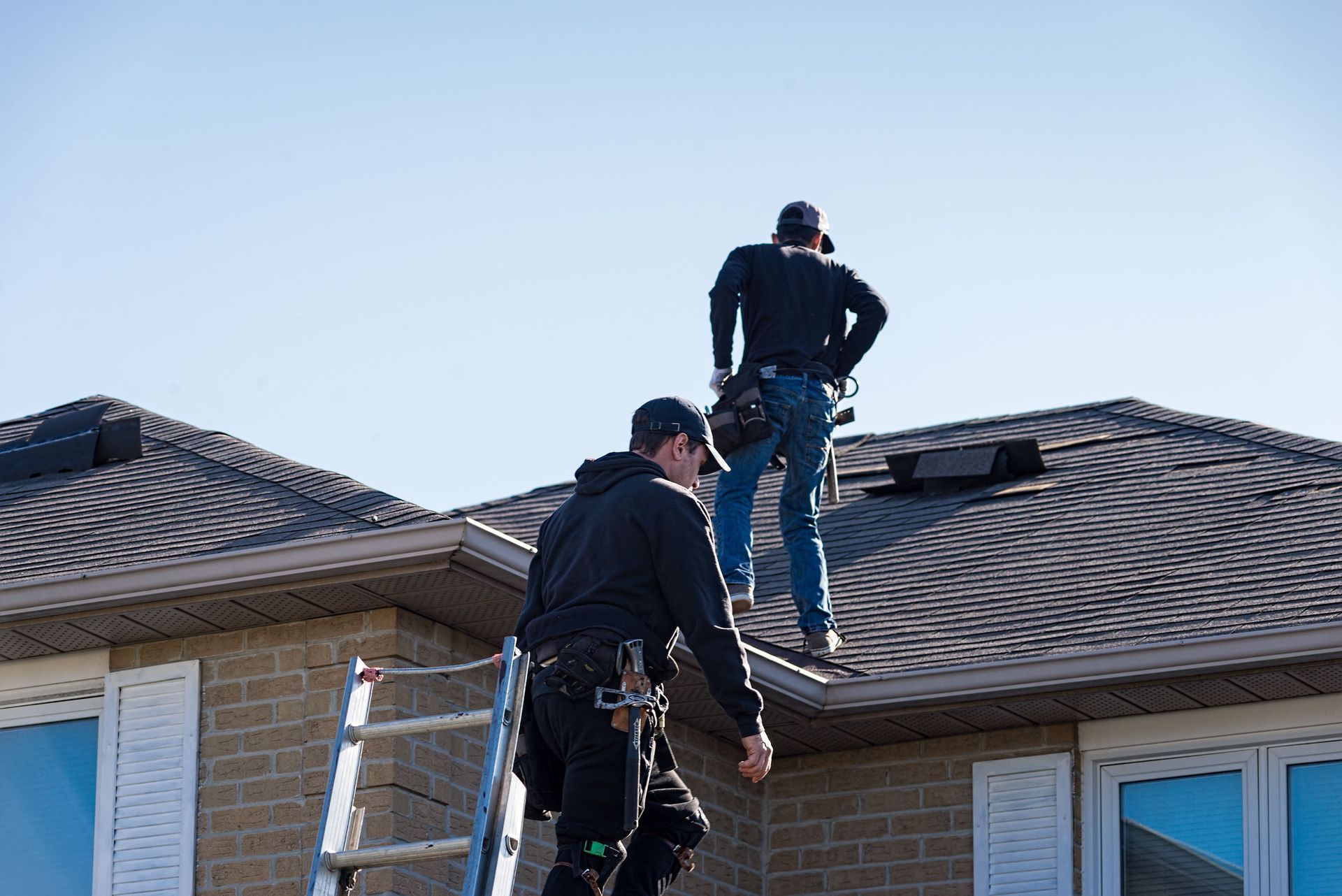
The use of drone technology in the roofing industry marks a significant shift in how roofs are inspected and maintained. Drones provide a safer and more efficient method to survey roofing conditions without the need for manual inspections, which can be hazardous and time-consuming. Equipped with high-definition cameras and thermal sensors, drones can capture detailed imagery and data of roofing surfaces, identifying leaks and other issues that are difficult to spot from the ground. Apart from inspection, drones assist in precise measurements for roofing installations, reducing human error and increasing project efficiency for commercial roofers handling complex roofing systems.
Impact of Climate Change on Roofing Choices
As climate change accelerates, homeowners and builders increasingly prioritize roofing solutions that adapt to severe weather conditions. Materials that can withstand high winds, heavy rainfall, snow, and hail are now essential components in climate-resilient designs. For many regions, this means opting for robust shingles, metal panels, or tiles that resist damage while maintaining structural integrity during extreme weather events. Moreover, roofs designed with waterproof membranes and drainage systems mitigate risks of water intrusion, protecting the building's core and lowering maintenance costs, a key priority for commercial roofers working in high-risk weather regions.
Reflective roof coatings, which mitigate temperature impacts and enhance energy efficiency, have become a mainstream option within climate-conscious roofing designs. These coatings reflect more sunlight and absorb less heat than standard roofs, significantly reducing building cooling demands across sun-drenched climates. By lowering energy consumption, these coatings contribute to a building's overall carbon reduction, aligning with broader environmental sustainability goals. The adoption of reflective materials is especially pertinent in urban settings, effectively reducing the urban heat island effect and lessening the demand for energy resources.
Aesthetic Preferences and Their Evolution
Color trends in roofing have evolved, influenced by various factors, including technology, environmental concerns, and personal preference. Historically, neutral and practical shades dominated the roofing palette, but today, homeowners are choosing bolder, more reflective colors to enhance their property's aesthetic and energy performance. Light-colored roofs, including whites and pastels, reflect more sunlight, contributing to energy efficiency, while dark tones still appeal for their depth and traditional look. These choices reflect consumers' desires to balance functionality with personal expression, resulting in roofing designs that are both modern and chic.
Architectural styles exert a profound influence on roofing trends, as homeowners seek designs that complement the overall aesthetic of their properties. Classic styles such as Colonial and Victorian often dictate specific roofing material choices, blending tradition with modern trends for a harmonious appearance. Meanwhile, contemporary architecture favors minimalist and functional roof designs that integrate sustainably sourced materials. The rise of green roofs, which offer vegetative growth atop properties, represents a fusion of aesthetic appeal and environmental responsibility, providing natural insulation and stormwater management benefits.
Economic Factors Influencing Roofing Trends
The roofing industry is significantly influenced by economic factors that shape consumer preferences for cost-effective solutions. As roofing materials and technology evolve, affordability remains a primary consideration for both residential and commercial markets. Innovative products that promise durability and energy savings without a substantial initial investment are highly sought after. According to Gitnux, the growing preference for metal roofing, escalating from 18% in 2020 to 22%. This exemplifies this trend, as metal roofs offer longevity and low maintenance costs, appealing to budget-conscious consumers and commercial roofers focused on long-term value.
The fluctuations in the housing market directly impact the roofing industry, influencing investment decisions in construction and renovation. Economic downturns may slow the adoption of new roofing technologies as building operators and homeowners focus on essential repairs over full-scale revamps. Conversely, housing booms drive demand for innovative, durable, and aesthetically pleasing roofing options, as property owners seek to maximize their investment's value. Labor market fluctuations also affect the industry, from the availability of skilled roofing professionals to cost variations driven by labor demand and expertise scarcity.
Policy and Regulatory Influences
Policy and regulatory changes are a constant in the roofing industry, influencing materials, technologies, and methods employed in roof construction. Changes to building codes, often driven by safety and performance standards, can lead to the rapid adoption of new materials that meet elevated regulatory criteria. These policy shifts not only enhance the safety and efficacy of roofing systems but also stimulate innovation as manufacturers develop compliant product lines. Adapting to frequent policy shifts remains an essential challenge for industry professionals, making compliance a significant consideration in roofing projects.
Energy standards and environmental requirements are increasingly impactful policy drivers, prompting roofing changes. With rising emphasis on energy conservation, building codes now often necessitate high-performance roofing systems emphasizing energy efficiency. Compliance with energy standards encourages the adoption of advanced insulating materials, cool roof coatings, and solar-integrated roofing. While initially representing an investment, adoption of energy-compliant roofing solutions is increasingly considered an economically viable strategy.
The roofing industry in the U.S. is responding dynamically to the challenges and opportunities posed by shifting trends and emerging technologies. Key factors influencing this evolution include the growing emphasis on sustainable materials, advancements in technology, adaptation to climatic changes, aesthetic and economic considerations, and regulatory requirements. These interconnected trends expose the industry's complexity, demonstrating that roofing solutions are no longer just about providing shelter, but about comprehensive, environmentally and economically sound building management. As society pushes further towards sustainability and innovation, the future of roofing promises enhanced integration with technology, environmental initiatives, and consumer preferences. Through these developments, the roofing industry is outfitted to deliver practical yet progressive solutions, fostering resilience and efficiency for years to come. Enhance your property with Locust Ridge Roofing, expert commercial roofers providing durable, energy-efficient results. Contact us today!